Author: Adam Beaulne

  • AWHONN 2025

    AWHONN 2025

    EVACU B is exhibiting at the AWHONN 2025 show in Orlando June 21 – 24.  

    Come see us at our booth!

  • Create Your Emergency Plan

    Create Your Emergency Plan

    Emergencies can strike without warning, making it crucial for your hospital to be prepared. Here’s how to create an emergency plan in just three steps:

    Step 1: Discuss Emergency Scenarios with Your Household

    Focus on the types of emergencies most likely to occur in your area, such as:

    • Natural Disasters: Earthquakes, floods, hurricanes, tornadoes, wildfires, winter storms.
    • Man-Made Incidents: Chemical spills, power outages, active shooter situations.
    • Health Emergencies: Pandemics, severe allergic reactions, injuries.

    During the discussion:

    • Share Information: Explain the nature and impact of each potential emergency.
    • Identify Safe Areas: Point out safe locations in your home and community.
    • Evacuation Routes: Map out the best evacuation routes and meeting points.
    • Emergency Contacts: Create a list of emergency contacts.

    Step 2: Assign Responsibilities to Each Household Member

    Assign specific roles to ensure an effective response:

    • Adults:
      • Primary Caregiver: Gathers emergency supplies and oversees evacuation.
      • Communicator: Contacts emergency services and extended family.
      • Safety Officer: Secures the home and assists with first aid.
    • Children:
      • Young Children: Teach them to recognize alarms and practice safety drills.
      • Older Children: Help younger siblings and assist with packing emergency kits.
    • Pets:
      • Pet Care: Assign someone to gather pet supplies and carriers.

    Tips:

    • Consider Strengths: Assign tasks based on individual strengths.
    • Cross-Training: Ensure backup for each task.
    • Backup Plans: Have contingency plans for each responsibility.

    Step 3: Practice and Refine Your Plan

    Regular practice ensures everyone remembers their roles and stays calm during emergencies:

    • Drills: Conduct regular drills for different emergencies.
    • Review and Update: Regularly update your plan to address any changes.
    • Feedback Sessions: Discuss what worked and how to improve after each drill.
    • Test Communication: Practice contacting emergency contacts.

    Additional Tips:

    • Involve Everyone: Ensure all household members participate.
    • Vary Scenarios: Practice different types of emergencies.
    • Stay Informed: Keep up-to-date with local emergency resources.

    By discussing potential emergencies, assigning responsibilities, and practicing your plan, you can ensure your household is well-prepared to handle any emergency.

  • Tornado Preparedness

    Tornado Preparedness

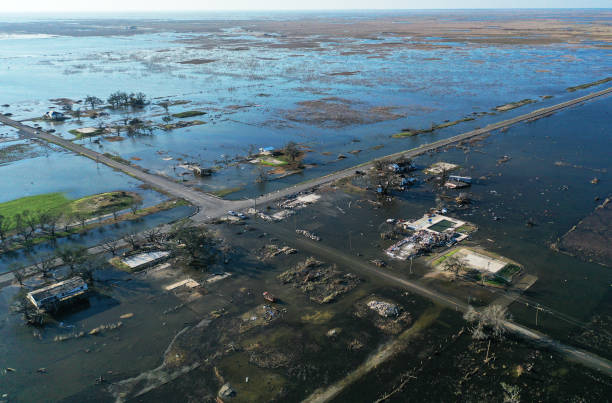
    With the frequency of tornados increasing over the last several decades, experts have noticed a shift in U.S. tornado patterns, and with the upcoming season expected to be the most active on record, tornado preparedness is critical to maintain hospital operations before, during and after a storm. 

    Now is the time to stress test your hospitals evacuation plan and identify areas of improvement.

    How do you evacuate your babies from the NICU.  See the EVACU B
  • Emergency Preparedness

    Emergency Preparedness

    Objective: Preparedness addresses how the provider will meet the needs of patients if essential services break down as a result of a disaster.

    Preparedness includes training staff on their role in the emergency plan, testing the plan, and revising the plan as needed.

    Goals of Rule:

    • Increase patient safety during emergencies
    • Establish consistent requirements across provider types
    • Establish a more coordinated response to natural and man made disasters September 28, 2018 8 CMS Emergency Preparedness Program
    • Describes an agency’s compressive approach to meeting the health, safety, and security needs of the agency, its staff, its patient population, during, and after an emergency.

    How do you evacuate your babies from the NICU?  See the EVACU B

    Using 4 core elements

    1. Emergency Plan based on a Risk assessment
    2. Policies and Procedures
    3. Communication Plan
    4. Training and Testing Program